Treat the child, not the thermometer
A child who is drinking, playing in between naps and making wet diapers is usually fine, even at 103°F. A child who is listless, hard to wake or refusing all fluids needs to be seen, whatever the reading.
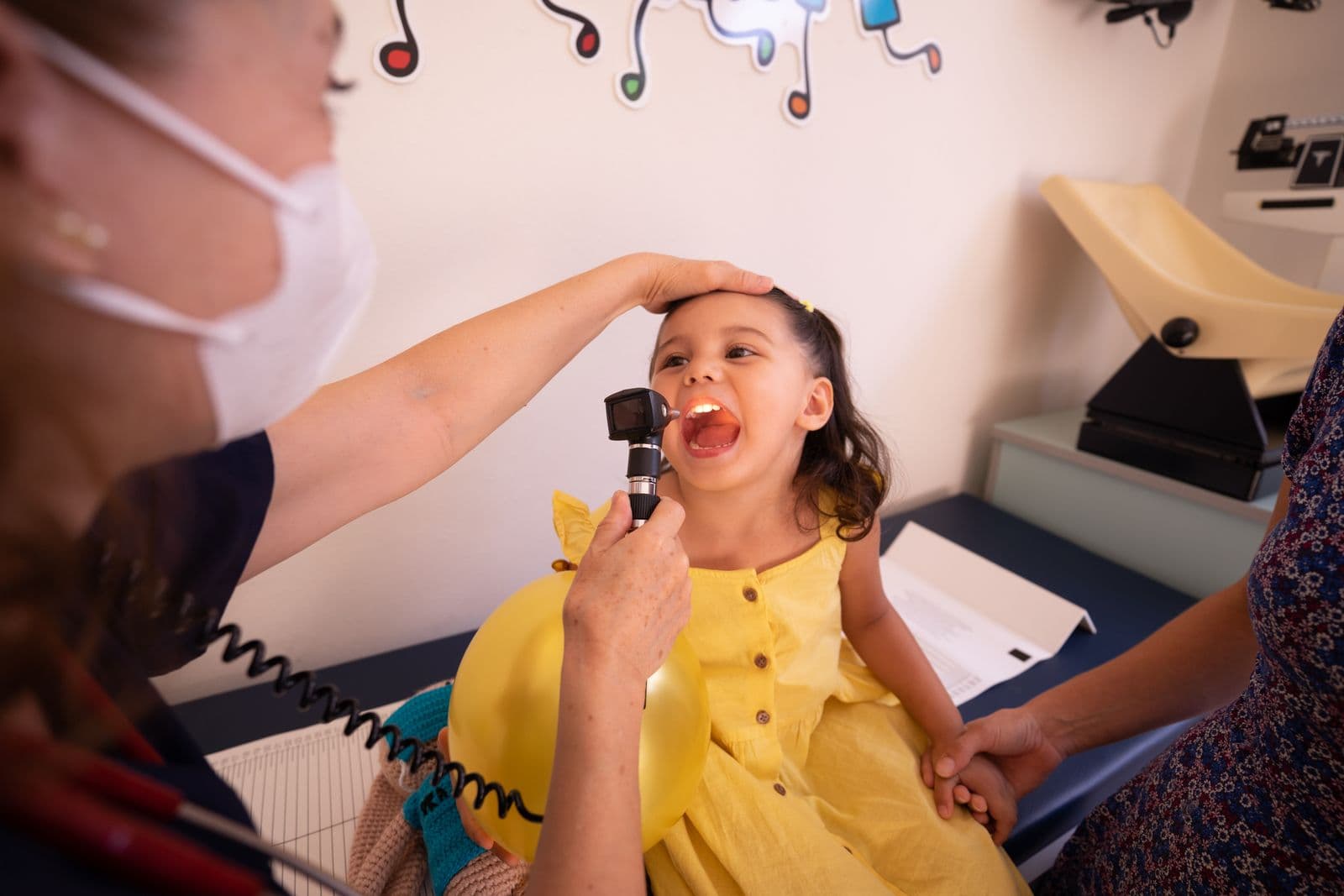
Short, practical answers to the questions parents ask us most: what to do about a fever, how to get fluids into a child with a stomach bug, when a cut needs stitches, and which signs mean you should stop reading and get help now. Each topic ends with when to call us.
Call 911 or go to the nearest emergency department if you see any of these. Do not wait for a callback, and do not send a message.
Not an emergency, but worried? Call your office. A clinician is on call after hours.
These tips are general guidance for common situations, not a diagnosis. Every child is different. If something does not feel right, trust that instinct and call us.
Fever is the body doing its job against an infection. It is rarely dangerous on its own, and the way your child looks and acts tells us more than the number.
A child who is drinking, playing in between naps and making wet diapers is usually fine, even at 103°F. A child who is listless, hard to wake or refusing all fluids needs to be seen, whatever the reading.
Under three months, a rectal temperature is the most accurate. For older babies and toddlers, rectal or a well placed armpit reading works. From about four years, an oral thermometer is reliable if they can hold it under the tongue.
Acetaminophen or ibuprofen can help a miserable child rest and drink. Dose by weight, not age, using the syringe that comes with the bottle. Ibuprofen is not for babies under six months, and never give aspirin to anyone under 18.
Fever raises how much water the body loses. Offer small, frequent drinks of water, milk or an oral rehydration solution. Appetite usually comes back once the fever settles.
Bundling a feverish child traps heat. A single light layer and a comfortable room are enough. Skip cold baths and rubbing alcohol, which cause shivering and can make things worse.
Young children can catch eight or more colds a year, especially in their first year of daycare or school. Most get better on their own with time and comfort care.
A typical cold lasts seven to ten days, and the cough can linger for two to three weeks after everything else clears. Green or yellow mucus is normal and does not mean antibiotics are needed.
Over the counter cough and cold medicines are not recommended under age four. They do not work well in children and can cause serious side effects. Ask us before using them in older children.
Half a teaspoon to a teaspoon of honey can calm a night time cough in children over one year old. Never give honey to a baby under 12 months because of the risk of infant botulism.
Saline drops followed by gentle suction help babies feed and sleep. A cool mist humidifier in the bedroom can ease congestion. Clean it daily so it does not grow mould.
Flu tends to start suddenly with high fever, body aches and exhaustion. Antiviral medicine works best within the first 48 hours, so call early if you suspect flu, especially for children under five or with asthma.
Stomach bugs are unpleasant but usually pass in a few days. The job at home is to keep fluids going in faster than they are coming out.
After vomiting, wait about 30 minutes, then offer a teaspoon or two of oral rehydration solution every few minutes. Slowly increase the amount if it stays down. Big gulps tend to come straight back up.
Oral rehydration solutions have the balance of salt and sugar the body needs. Sports drinks, juice and soda have too much sugar and can make diarrhea worse in young children. Keep breastfeeding or formula feeding babies as normal.
There is no need for a strict diet. Once vomiting settles, offer normal, simple foods your child likes. Starving a stomach bug does not shorten it.
Stomach viruses such as norovirus spread easily through a household. Hand sanitizer is less effective against them, so wash with soap and water, especially after diaper changes and before preparing food.
Sleep affects mood, attention, growth and immunity. A few steady habits make a bigger difference than any product.
Put babies to sleep on their back on a firm, flat surface with only a fitted sheet. No pillows, bumpers, blankets or soft toys. Room sharing without bed sharing is recommended for at least the first six months.
A consistent wake time, even on weekends, sets the body clock more reliably than an earlier bedtime. Bedtime tends to settle on its own once mornings are steady.
As a rough guide in 24 hours: toddlers need 11 to 14 hours including naps, preschoolers 10 to 13, school age children 9 to 12, and teenagers 8 to 10. Most teens get far less.
Turn screens off at least an hour before bed and charge phones and tablets outside the bedroom. The light and the content both keep the brain awake.
Babies and toddlers often sleep worse for a few weeks around developmental leaps, illness or travel. Keep the routine steady and it usually resolves.
Most picky eating is a normal phase. Your job is what, when and where food is offered. Your child's job is whether and how much to eat.
Children may need to see and taste a new food ten to fifteen times before they accept it. Put a small amount on the plate next to something they already like, without pressure or bribes.
Skip juice entirely before the first birthday and limit it after. Toddlers need only about two to three cups of milk a day; more than that can crowd out iron rich foods.
Regular family meals, even a few times a week, are linked with better eating habits. Keep screens off the table so everyone notices when they are full.
Schedule snacks rather than grazing all day. Pair a fruit or vegetable with a protein, such as apple with cheese or carrots with hummus, so they arrive at dinner hungry but not starving.
Most everyday injuries can be handled at home with good first aid. Knowing which ones need stitches or an X ray saves time and worry.
Press firmly with a clean cloth for ten minutes without peeking. Then rinse well with running water and cover with a bandage. A cut that gapes open, is deep, or is on the face should be seen the same day, ideally within a few hours.
Hold a burn under cool running water for 20 minutes. Do not use ice, butter or ointments. Burns larger than your child's palm, or any burn on the face, hands, feet or genitals, need to be seen.
A goose egg after a fall is common and usually harmless. Watch your child closely for the next 24 hours. They can sleep, but should be easy to wake and act like themselves.
Use a broad spectrum sunscreen of SPF 30 or higher on children over six months, and reapply every two hours and after swimming. Keep babies under six months in the shade with hats and light clothing.
Most medicine mistakes at home come from measuring, doubling up or storage. A few habits prevent nearly all of them.
Use the syringe or cup that comes with the medicine, never a kitchen spoon. Children's doses depend on weight, so ask us for a dosing chart and keep your child's current weight handy.
Many combination cold and flu products already contain acetaminophen. Giving them alongside plain acetaminophen can lead to an accidental overdose. Read the active ingredients on every label.
Give the full course even when your child feels better after a couple of days. Do not save leftovers or share them. Antibiotics do not treat colds or most coughs.
Store all medicines, vitamins and supplements up high and out of sight, ideally locked. Keep purses and visitors' bags off the floor. Save the Poison Control number in your phone: 1-800-222-1222.
Allergies and asthma are very manageable with a plan. The goal is a child who sleeps, plays and runs like everyone else.
A written asthma action plan tells you, the school and caregivers what to do on green, yellow and red days. Share a copy with every adult who looks after your child.
A spacer gets much more medicine into the lungs than an inhaler alone, at every age. Bring the inhaler and spacer to visits so we can check the technique.
If your child has a prescribed epinephrine auto injector, keep two with them at all times and check the expiry dates. Use it first in a serious reaction, then call 911.
Common triggers include colds, smoke, dust mites, pollen, pets and cold air. Keep the home smoke free, wash bedding in hot water weekly, and plan ahead for pollen season.
Prevention is the least dramatic and most effective care we give. Most of it happens at visits nobody feels urgent about.
Well visits are where growth, development, vision, hearing and emotional health are checked over time. Anchoring them to a birthday month makes them easy to remember.
Annual flu vaccination protects your child and the babies and grandparents around them. Early fall is the best time, but it is still worth getting later in the season.
Ask for a printed or digital copy of your child's immunization record. Schools, camps and sports teams will ask for it, usually at short notice.
Keep a running list in your phone between visits. Concerns about behaviour, sleep, school or mood are exactly what well visits are for.